
 India
India
 USA
USA
 United Kingdom
 Japan
Japan
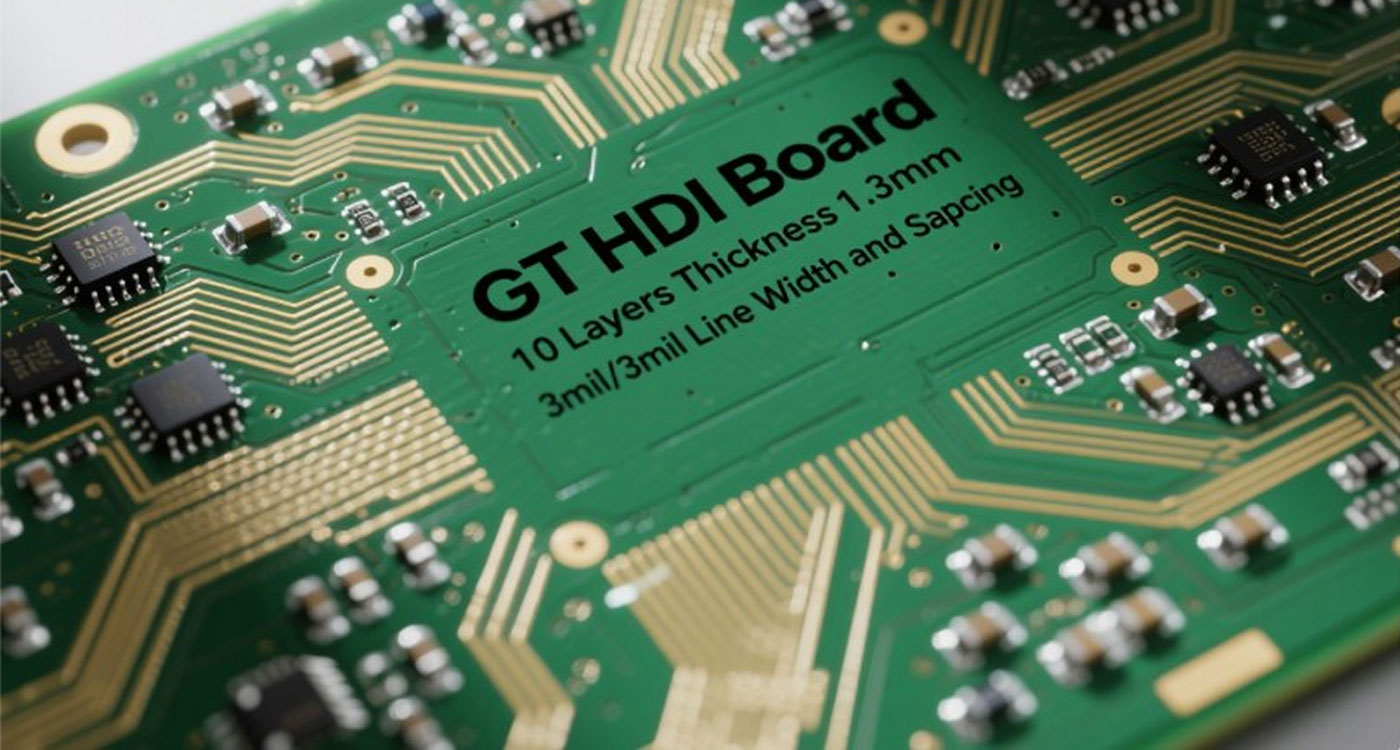
Electronics have been useful in our everyday lives. Without this important breakthrough, transportation, communication and even electricity will be difficult to operate. Electronics now is not only associated with radios and computers. It is simply in almost every application.
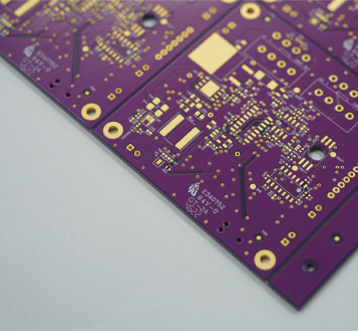
We also owe the convenience that we experience today to printed circuit boards (PCBs). Printed Circuit Boards or PCBs are electronic substrates that consist of soldered components. When we need PCB assembly services, we need to consider what will affect the PCB assembly price, as it will enable us to obtain a cost-effective product. The processing technology, components, and related surface treatment techniques usually affect the final PCB assembly price. We need to understand what PCB assembly technology is and what factors can affect PCB assembly costs in order to obtain a perfect product.
What are the Different PCB Assembly Techniques?
A key to understanding the different cost factors involved in PCB assembly is to comprehend the different assembly techniques and the associated processes. The assembly techniques are classified into two: Through Hole Technology (THT) and Surface Mount Technology (SMT).
Through Hole Technology
The oldest PCB assembly technique is referred to as Through Hole Technology or THT. The leads of electronic parts protruding outwards from the package are being inserted into the PCB through THT processes.
- Component Insertion.
- Wave Soldering.
Surface Mount Technology
Surface Mount Technology or SMT has been developed to cope with the demand for smaller form factor devices. Unlike the traditional THT, the SMT process involves direct mounting of the parts to the solder pads using solder paste material.
- Solder Paste Application
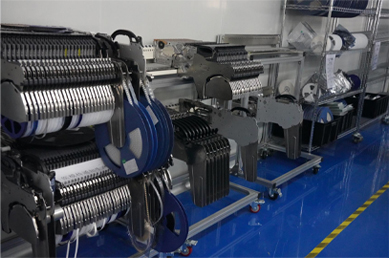
- Pick-and-Place.
- Reflow
- Visual Inspection and Testing.
Key Factors Affecting Assembly Price
Now that we understand the different assembly techniques and processes, let’s dig into the different factors affecting the price of PCB assembly.
The Complexity of Design
Some products with complex designs and components often require more precise and skilled assembly techniques, as well as specialised machines or customised tools, which can increase additional PCB assembly costs. In addition, complex PCBs require multiple different assembly stages, quality inspections, or specialized processing, thereby increasing the overall PCB assembly price.
Material Selection
The type and quality of materials used for circuit boards affect the PCB assembly price. Special chips and materials require specialized equipment or technology, thereby increasing additional PCB assembly costs. In addition, fluctuating raw material prices, especially the prices of surface treatment technologies and electronic components used, will directly affect PCB assembly prices.
Quality Control and Testing
Certain requirements for strict quality control or testing of electronic products typically require higher PCB assembly costs, such as PCBs used in medical and aviation applications. For such products, they can only be put into use through advanced testing and inspection protocols, and the tools and time used in the process will be expensive for PCB assembly.
Quantity and Batch Size
Due to the economic scale, PCB assembly prices generated by larger production volumes will be relatively lower. Small batch production will generate higher unit costs because the production and transfer of each batch of products require time and cost, which leads to higher overall PCB assembly costs than large batches.
Turnaround Time
PCB assembly suppliers also give different turnaround times which are entirely based on their capabilities and available capacity. In some cases, they provide different turnaround times with different price ranges. Shorter turnaround times are offered at higher prices.
What are the Different Cost-Saving Tips for PCB Assembly?
Follow Manufacturing Guidelines Early in the Design and Prototyping
A huge part of the preparation for high-volume manufacturing is the early involvement of manufacturing suppliers during design and prototyping. This method of engagement with manufacturing is known in the industry as Design for Manufacturing or DFM. In DFM, the goal is to produce a board design at a minimum cost while optimizing performance, yield and manufacturability. Some gaps encountered during actual assembly are caused by design weaknesses when the manufacturing team is not consulted enough.
Optimize Component Spacing
Component placement machines have tolerances with respect to minimum spacing that can be accommodated during rotation and placement of nozzle heads. There should be enough spacing between the components to compensate for machine, component and PCB tolerances. Moreover, optimum spacing between components allows efficient visual inspection, rework and cleaning processes and hence reduces printed circuit assembly prices. IPC has outlined design references for land pads and dimensions to achieve quality solder joints.
Standardized Assembly
Designers should choose standard, ready-made components instead of customized or rare components during design, which is beneficial for reducing PCB assembly costs. Due to practical limitations and longer delivery times, customized components typically require longer and more complex assembly processes, which can result in higher costs. Using the supplier’s standard component library to reduce procurement costs is beneficial to lower PCB assembly prices.
Optimizing Board Size and Number of Layers
Reducing circuit board size and number of layers can lower PCB assembly costs. Although multi-layer boards provide more routing space, their production and assembly costs are higher, which can lead to high final PCB assembly prices. We should find a compromise solution between functionality and compact design, which can save PCB assembly costs.
Consider Automated Assembly
Automated assembly, especially surface mount technology, will be cheaper than manual assembly. Because the machine takes less time and has high assembly accuracy, it avoids excessive additional testing in the later stage and hence decreases the printed circuit assembly prices. The initial setup cost of automation may be relatively higher than that of manual labour. But in the long run, when large-scale production of goods is required, this will have higher economic benefits, thereby reducing the PCB assembly costs for merchants.
Accurate and Wise Testing and Inspection
Testing is a necessary process for all products, but it is also a factor that causes high PCB assembly costs. Using targeted testing instead of excessively repeated verification can help reduce PCB assembly costs. For mid to low-end products and components, regular quality testing is sufficient and will not affect their ultimate reliability.